
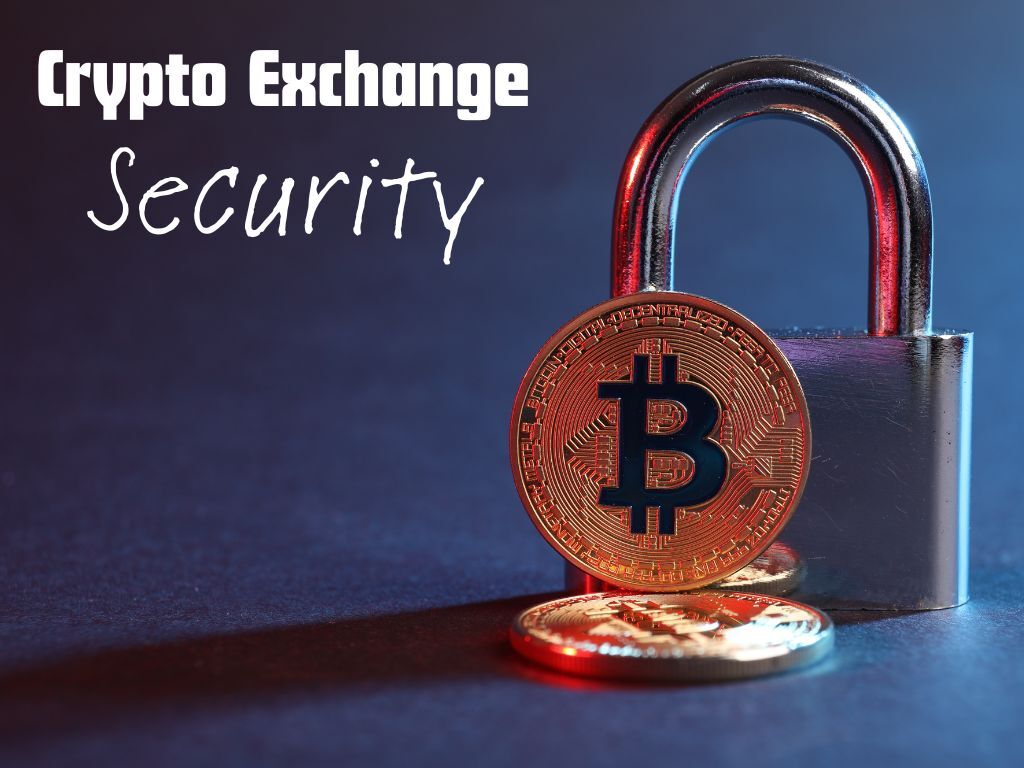
Traditional payment systems impose geographic restrictions and excessive fees that limit investment platform growth. Cryptocurrency payment gateway integration for investment platforms eliminates these barriers while attracting crypto-savvy investors seeking blockchain-based transactions. This comprehensive guide details implementation strategies, security requirements, and optimization techniques for successful crypto payment integration.
Why Cryptocurrency Integration Defines Competitive Advantage
Global cryptocurrency adoption creates massive market opportunities. Over 420 million people worldwide own cryptocurrency according to blockchain analytics data. Platforms lacking crypto payment options automatically exclude this enormous demographic from their addressable market. Investment platforms supporting cryptocurrency report 40-60% higher international user percentages than fiat-only alternatives.
Transaction cost advantages improve platform economics. Traditional payment processors charge 2.9-3.5% plus fixed fees per transaction. Cryptocurrency transactions cost $0.10-$2 regardless of amount, eliminating percentage-based fees on large deposits. These savings enable platforms offering better returns or operating at higher profit margins than competitors constrained by payment processing costs.
Transaction speed surpasses traditional systems. Cryptocurrency deposits confirm within 10-60 minutes depending on blockchain network versus 2-3 business days for bank transfers. This immediacy improves conversion rates by enabling instant investment after deposit rather than requiring users to wait days before participating in time-sensitive opportunities.
Regulatory flexibility supports international operations. Cryptocurrency payments bypass traditional banking relationships that often refuse investment platform accounts. This independence proves particularly valuable for platforms operating across multiple jurisdictions with varying regulatory frameworks and banking accessibility.
Essential Cryptocurrency Integration Components
Multi-currency blockchain support maximizes market reach. Quality cryptocurrency payment gateway integration accommodates Bitcoin, Ethereum, Binance Smart Chain, USDT, USDC, and major altcoins. Each blockchain attracts distinct user demographics—Bitcoin appeals to conservative crypto adopters while DeFi enthusiasts prefer Ethereum-based assets.
Unique deposit address generation ensures accurate transaction attribution. Systems generate distinct blockchain addresses for each user eliminating manual deposit matching. These addresses derive from platform-controlled master wallets using hierarchical deterministic derivation providing both unique addresses and centralized fund management.
Automatic transaction monitoring detects incoming payments. Blockchain listeners continuously scan for transactions to user deposit addresses. Upon confirmation, systems automatically credit appropriate accounts and notify users. This automation enables 24/7 processing without manual intervention maintaining consistent user experiences.
Multi-signature wallet security protects platform reserves. Critical wallets require multiple authorized signatures for withdrawals preventing single-point-of-failure risks. Three-of-five signature schemes balance security against operational flexibility enabling legitimate operations while preventing unauthorized access.
Technical Implementation Architecture
Blockchain node infrastructure provides direct network access. Running dedicated blockchain nodes or utilizing node service providers like Infura ensures reliable connectivity for transaction broadcasting and confirmation monitoring. Redundant node connections prevent service interruptions when individual providers experience downtime.
Wallet management systems handle private key security. Hot wallets with minimal balances process operational transactions while cold storage secures majority reserves offline. Automated rebalancing transfers funds from cold to hot storage maintaining operational liquidity without excessive hot wallet exposure.
Transaction confirmation tracking manages blockchain finality. Systems monitor confirmation depths ensuring deposits achieve sufficient confirmations before crediting. Bitcoin typically requires 3-6 confirmations while Ethereum needs 12-15. Proper confirmation requirements prevent double-spend attacks while balancing security against user experience.
Webhook integration enables real-time notifications. Payment processors trigger webhooks notifying platforms about deposit confirmations and other transaction events. These callbacks enable immediate balance updates and user notifications without constant polling reducing system load while improving responsiveness.
Payment Processor Selection Criteria
Cryptocurrency coverage determines market accessibility. Processors supporting 10+ major cryptocurrencies enable serving diverse investor preferences. Platforms should prioritize processors offering Bitcoin, Ethereum, USDT, USDC, and high-volume altcoins like BNB and TRX.
Transaction fee structures impact profitability. Processors charge flat fees per transaction or percentage-based fees. For investment platforms processing significant volumes, flat-fee structures prove more economical than percentage-based alternatives. Negotiations based on volume often secure favorable pricing from processors competing for large clients.
Security track records indicate reliability. Research processor histories for security incidents. Established processors with clean security records and insurance coverage provide greater confidence than newer alternatives without proven reliability. Due diligence prevents selecting processors later compromised exposing platform and user funds.
Developer experience and documentation quality affect implementation timelines. Well-documented APIs with comprehensive examples and responsive technical support accelerate integration. Complex processors with poor documentation extend development cycles delaying time-to-market.
Security Best Practices for Crypto Payments
Address validation prevents user errors. Before displaying deposit addresses, systems validate formats ensuring technical correctness. This validation catches typos or incompatible address types preventing user fund loss to invalid addresses.
Transaction amount verification detects anomalies. Systems flag deposits significantly larger than user investment histories or platform norms. Manual review of unusual transactions identifies potential money laundering or fraudulent activity before processing.
Withdrawal address whitelisting adds security layers. Users configure approved withdrawal addresses requiring verification periods before first use. This approach prevents attackers immediately withdrawing funds even after compromising accounts.
Cold storage protocols protect majority reserves. Best practices dictate maintaining 80-90% of cryptocurrency holdings offline in hardware wallets or paper wallets. Regular audits verify cold wallet integrity while maintaining operational procedures for secure hot wallet replenishment.
User Experience Optimization
Real-time exchange rate display maintains transparency. Showing deposit amounts in users’ preferred currencies alongside cryptocurrency values improves comprehension. Dynamic rate updates ensure accuracy particularly important for volatile cryptocurrencies.
QR code functionality simplifies mobile deposits. Generating QR codes encoding deposit addresses and amounts enables one-click wallet application integration. This convenience proves essential for mobile-first cryptocurrency users expecting app-like experiences.
Transaction status tracking maintains user confidence. Real-time dashboards showing blockchain confirmations progress reassure users about deposit processing. Clear communication about expected confirmation times sets appropriate expectations preventing premature support inquiries.
Multiple network support accommodates user preferences. Offering deposits via Ethereum mainnet, Binance Smart Chain, and Polygon for ERC-20 tokens gives users choice between lower fees and higher security based on transaction amounts and personal preferences.
Regulatory Compliance Considerations
Transaction monitoring satisfies AML requirements. Blockchain analytics tools identify funds originating from sanctioned addresses, mixing services, or illicit sources. Integration with compliance providers prevents processing prohibited transactions maintaining regulatory adherence.
Reporting automation generates required disclosures. Systems compile cryptocurrency transaction reports in formats specified by financial regulators simplifying compliance obligations. Accurate record-keeping proves essential during regulatory audits.
KYC verification extends to crypto transactions. While cryptocurrency enables pseudonymous transactions, regulated investment platforms must verify user identities regardless of payment method. Comprehensive KYC processes apply uniformly across all deposit types.
Gas Fee Management Strategies
Network fee estimation tools inform users. Before deposit initiation, systems display expected blockchain transaction costs. This transparency prevents user surprise at fees while enabling informed decision-making about network selection.
Fee sponsorship improves user experience. Some platforms absorb withdrawal transaction costs for improved satisfaction. While reducing profit margins, decreased withdrawal friction often generates sufficient additional volume offsetting costs.
Batch processing reduces per-transaction costs. Aggregating multiple withdrawals into single blockchain transactions spreads fees across operations. This technique proves particularly effective on high-fee networks like Ethereum during congestion periods.
Testing and Quality Assurance
Testnet deployment validates functionality before production. Testing with worthless testnet tokens on Bitcoin testnet, Goerli, or BSC testnet identifies bugs without risking real funds. Comprehensive testing across deposit, investment, and withdrawal workflows prevents embarrassing malfunctions.
Transaction replay protection prevents duplicate processing. Systems must detect and reject duplicate webhook notifications or blockchain events. Proper idempotency handling ensures each transaction processes exactly once preventing double-crediting.
Failure scenario testing validates error handling. Simulating network failures, processor downtime, and blockchain reorganizations confirms systems handle edge cases gracefully. Robust error handling prevents minor issues from cascading into major operational problems.
Performance Monitoring and Optimization
Transaction processing latency tracking identifies bottlenecks. Monitoring time from blockchain confirmation to account crediting reveals optimization opportunities. Target processing times under 60 seconds maintain competitive user experiences.
Blockchain API performance monitoring ensures reliability. Tracking node uptime, response times, and error rates identifies struggling providers requiring failover or replacement. Proactive monitoring prevents degraded user experiences from infrastructure issues.
Cost analysis optimizes network selection. Comparing transaction volumes, average fees, and user preferences across supported blockchains guides strategic decisions about which networks deserve continued support versus deprecation.
Successful cryptocurrency payment gateway integration for investment platforms requires balancing technical complexity against user experience while maintaining unwavering security standards. Strategic implementation attracts crypto-savvy investors, reduces operational costs, and provides competitive advantages in increasingly global investment platform markets.
















0 Comments