
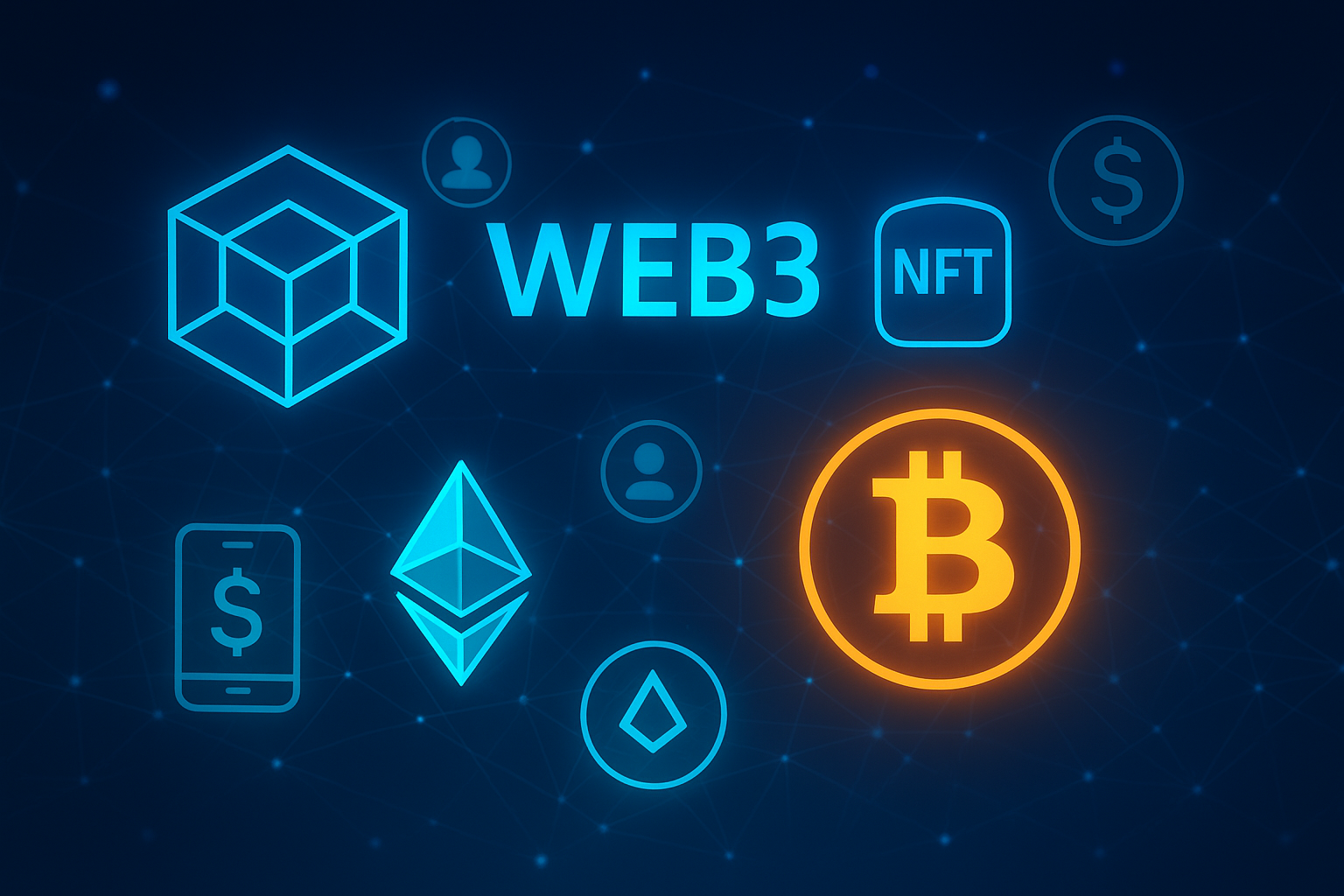
The digital landscape is evolving, and at the heart of this transformation lies Web3 and cryptocurrency. Together, they are redefining how we interact with money, technology, and ownership online. While cryptocurrencies provide the foundation for decentralized financial transactions, Web3 extends this vision to build a more open, user-controlled internet.
But what does this mean for businesses, traders, and everyday internet users? Let’s dive into how Web3 and cryptocurrency are creating a new era of digital empowerment.
Understanding Web3 and Cryptocurrency
To grasp the significance of Web3 and cryptocurrency, it’s important to break down the concepts individually.
-
Web3: Often called the next generation of the internet, Web3 is based on decentralization, blockchain technology, and user ownership. Instead of data being controlled by tech giants, Web3 envisions a system where users own their identity, content, and digital assets.
-
Cryptocurrency: Digital currencies like Bitcoin, Ethereum, and altcoins are the financial backbone of Web3. They make peer-to-peer transactions possible without banks or intermediaries.
When combined, they promise a borderless, secure, and transparent digital economy.
How Web3 and Cryptocurrency Empower Users
One of the strongest appeals of Web3 is its ability to give control back to users. Unlike Web2 platforms where user data is monetized by corporations, Web3 enables direct ownership through blockchain wallets and smart contracts.
For example:
-
Creators can earn directly from fans without relying on ad revenue.
-
Gamers can own in-game assets as NFTs and trade them freely.
-
Investors can participate in decentralized finance (DeFi) platforms that offer higher transparency.
Cryptocurrency is the fuel that powers these systems, enabling microtransactions, staking, and cross-border payments with ease.
Real-World Applications of Web3 and Cryptocurrency
The partnership between Web3 and cryptocurrency is not just theory — it’s already visible in real-world use cases:
-
Decentralized Finance (DeFi): Platforms like Uniswap or Aave let users trade, lend, and borrow without banks.
-
NFTs and Digital Ownership: Artists sell unique digital artwork directly to collectors, ensuring authenticity and royalties.
-
DAOs (Decentralized Autonomous Organizations): Communities govern projects together, using tokens to vote on decisions.
-
Metaverse Economies: Virtual worlds like Decentraland and The Sandbox rely on cryptocurrency to power land sales, events, and economies.
Each of these examples highlights how cryptocurrency acts as the financial infrastructure of the Web3 movement.
Opportunities and Challenges
Like any innovation, both opportunities and challenges.
Opportunities:
-
New revenue streams for creators and businesses.
-
Global accessibility for financial services.
-
Transparency and trust through blockchain records.
Challenges:
-
Regulatory uncertainty in different countries.
-
High volatility of cryptocurrencies.
-
User education gaps — Web3 concepts can feel complex.
Exchanges, startups, and governments are actively working to strike a balance between innovation and security, ensuring the benefits of Web3 reach more people.
The Future of Web3 and Cryptocurrency
Looking ahead, the combination of Web3 and cryptocurrency is expected to transform entire industries. From healthcare and education to logistics and entertainment, decentralized solutions will bring efficiency and fairness.
We may see:
-
Widespread adoption of digital wallets as replacements for traditional logins and bank accounts.
-
Tokenized assets (like property or stocks) traded on blockchain systems.
-
AI-powered Web3 platforms that personalize financial tools for every user.
In short, the growth of Web3 and cryptocurrency is setting the stage for a financial system that is global, inclusive, and user-driven.
Final Thoughts
The relationship is at the core of a technological revolution. Web3 ensures control, transparency, and decentralization, while cryptocurrency powers the financial side of this ecosystem.
As adoption grows, we’re moving toward a digital economy where ownership, privacy, and freedom take center stage. For businesses, traders, and innovators, the time to explore this space is now — because they are not just the future, they are rapidly becoming the present.












0 Comments