
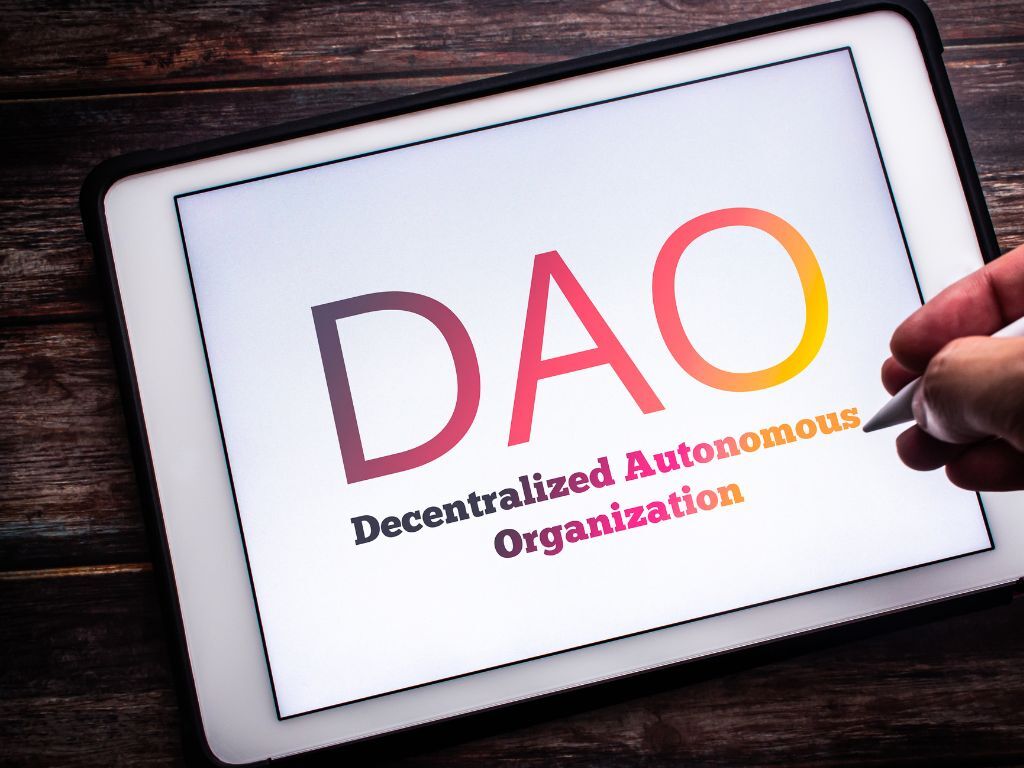
The year 2026 marked a major milestone in the evolution of decentralized organizations. More than 200 new DAOs (Decentralized Autonomous Organizations) were launched across multiple blockchain ecosystems. Startups, Web3 communities, DeFi platforms, and even traditional businesses began adopting DAO structures to enable transparent, community-driven decision-making.
This rapid growth highlights the increasing demand for DAO development services that allow organizations to operate without centralized control. DAOs enable communities to manage treasuries, vote on proposals, and collectively shape the future of projects using blockchain technology.
Understanding why DAOs are growing so quickly and how to build one is essential for businesses entering the decentralized economy.
What Is a DAO?
A DAO, or Decentralized Autonomous Organization, is a digital organization governed by code and community voting rather than traditional management structures. Rules are defined through smart contracts, and decisions are executed automatically once voting thresholds are met.
Members typically hold governance tokens that give them voting power. These tokens allow them to propose changes, vote on upgrades, allocate treasury funds, or approve partnerships.
This governance model is powered by advanced decentralized governance development which ensures transparency, automation, and fair participation for every stakeholder involved in the ecosystem.
Why 2026 Became the Year of DAOs
The growth of DAOs in 2026 was driven by several important technological and economic shifts.
First, Web3 communities demanded greater transparency in decision-making. Traditional centralized leadership often created trust issues, especially in blockchain projects that promised decentralization. DAOs solved this problem by enabling open voting and verifiable governance processes.
Second, the rise of token-based economies encouraged communities to participate actively in project development. Token holders were no longer passive investors. They became contributors, voters, and stakeholders.
Finally, blockchain infrastructure matured significantly. Faster networks, lower transaction fees, and better governance frameworks made it easier for projects to launch decentralized organizations at scale.
Key Components of a Successful DAO
Launching a DAO requires more than just distributing governance tokens. A well-designed DAO needs strong technical infrastructure, clear governance rules, and sustainable economic incentives.
The foundation begins with secure DAO smart contract creation These smart contracts define voting mechanisms, proposal systems, treasury management, and token distribution. Once deployed, the contracts enforce governance rules automatically without centralized interference.
Another essential component is treasury management. Most DAOs maintain community-controlled treasuries that fund development, marketing initiatives, and ecosystem growth. Transparent treasury operations help maintain trust among members.
Community engagement also plays a critical role. A DAO thrives when members actively participate in proposals, discussions, and governance decisions.
Types of DAOs Emerging in 2026
The DAO ecosystem has diversified significantly. Different industries are now using decentralized governance structures to manage their communities and projects.
DeFi DAOs are among the most common. These organizations govern decentralized finance protocols and control parameters such as interest rates, liquidity incentives, and protocol upgrades.
Investment DAOs pool capital from members to fund early-stage blockchain startups and Web3 initiatives. Members vote collectively on investment opportunities.
Creator DAOs support artists, musicians, and content creators by allowing communities to fund and manage creative projects collaboratively.
Protocol DAOs focus on maintaining blockchain infrastructure and ensuring network upgrades happen through community consensus.
Each type relies heavily on secure blockchain governance solutions to ensure fair voting and transparent execution of decisions.
The DAO Development Process
Building a DAO requires strategic planning and technical expertise. The process usually begins by defining the governance structure and decision-making rules. Founders must determine voting thresholds, proposal mechanisms, and token distribution models.
Once governance rules are established, developers create smart contracts that automate these processes. The contracts manage voting periods, validate outcomes, and execute decisions automatically.
The next step involves launching governance tokens. These tokens represent voting power within the DAO and help distribute influence among community members.
Finally, a governance interface is built to allow members to submit proposals, vote on decisions, and monitor treasury activity. A user-friendly interface encourages higher participation and strengthens community involvement.
Challenges in DAO Development
Despite their advantages, DAOs also face certain challenges. Governance participation can sometimes be low if members are not actively engaged. Without clear incentives, communities may struggle to maintain voting activity.
Security is another concern. Smart contract vulnerabilities can compromise treasury funds or governance processes. Thorough audits and testing are essential before launching any DAO.
Regulatory uncertainty also remains an issue in some jurisdictions. Governments are still evaluating how decentralized organizations should be classified and regulated.
However, as blockchain technology evolves, many of these challenges are gradually being addressed through improved governance frameworks and better security practices.
Why Businesses Are Adopting DAO Models
Businesses increasingly recognize the advantages of decentralized governance. DAOs create transparent ecosystems where stakeholders can collaborate without relying on centralized leadership.
They also allow communities to grow organically. When users feel they have influence over decision-making, they become more committed to the success of the project.
For blockchain startups, DAOs provide an efficient way to manage global communities and coordinate development efforts across different regions.
The Future of DAO Development
The DAO ecosystem is expected to expand significantly in the coming years. As Web3 adoption continues to grow, decentralized organizations will play a central role in managing digital communities, protocols, and online economies.
Advances in governance tools, identity systems, and cross-chain coordination will make DAOs more powerful and efficient. New governance models may also emerge, combining decentralized voting with advanced AI-assisted decision-making frameworks.
For entrepreneurs and Web3 builders, investing in DAO development services today offers an opportunity to shape the future of decentralized collaboration.
Final Thoughts
The launch of more than 200 DAOs in 2026 demonstrates the growing importance of decentralized governance. Communities are increasingly demanding transparency, participation, and shared ownership in the projects they support.
By leveraging technologies such as decentralized governance development, secure DAO smart contract creation, and scalable blockchain governance solutions, organizations can build powerful decentralized ecosystems that empower their communities.
As the Web3 landscape continues to evolve, DAOs will likely become the backbone of decentralized innovation and digital collaboration















0 Comments